 MixKhazana
Ibuprofen 800mg Tablets Recalled Over Aluminum
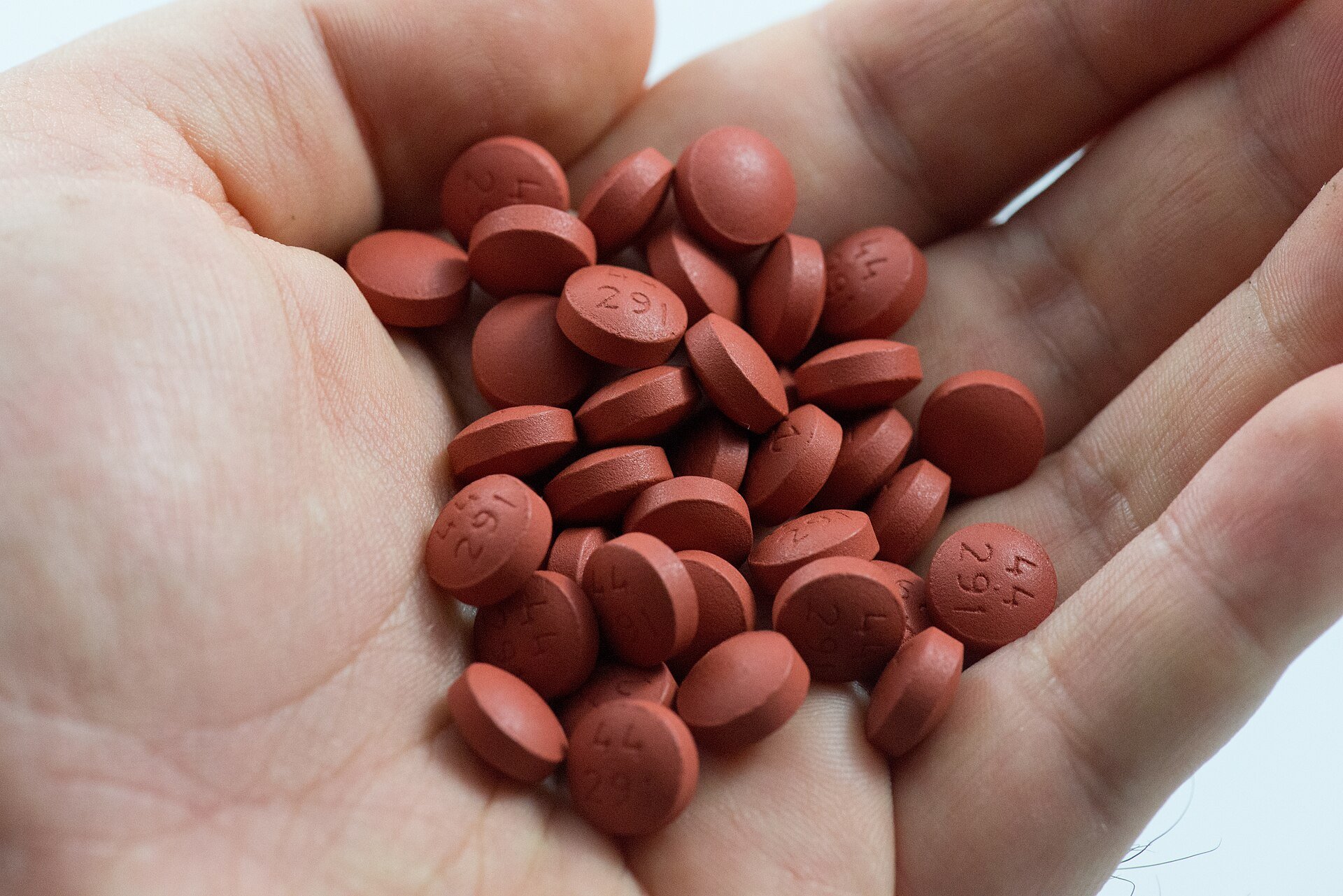
What happened: Golden State Medical Supply, Inc. (GSMS) of Camarillo, California, announced a voluntary nationwide recall on 23 November 2026 of one lot of Ibuprofen 800 mg Tablets, after aluminum particles were found on the surface of the tablets. The US Food and Drug Administration (FDA) published the recall on 24 November 2026. Only Lot GS069303, with expiry 01/2030, is affected. The particles measure 0.01 to 0.10 mm; continued use may cause minor irritation and abrasion of the gastrointestinal tract, though the likelihood of an adverse event is remote given the particle size, and GSMS is not aware of any adverse events for this lot. If you have tablets from this lot, stop using them, contact your physician, pharmacist or healthcare provider, and return unused tablets to the pharmacy where you obtained them.
One lot of a prescription painkiller has been recalled in the United States after tiny particles of aluminum were found on the surface of the tablets. The recall, announced by Golden State Medical Supply on 23 November 2026 and published by the FDA on 24 November, covers a single lot of Ibuprofen 800 mg Tablets — and only that lot.
The particles are very small, between 0.01 and 0.10 millimetres, and the company says the chance of harm from them is remote. No adverse events have been reported for this lot. Even so, the advice is clear: if you have tablets from the affected lot, stop taking them and speak to your pharmacist or doctor.
This article explains exactly which lot is affected, how to check your tablets, what the risk is, what to do if you have the recalled lot, and — just as importantly — what is not recalled.
Which Lot Is Recalled
The recall covers one product, one lot, and nothing else: Ibuprofen 800 mg Tablets, GSMS brand, National Drug Code (NDC) 51407-841-05, Lot GS069303, with an expiry date of 01/2030. If your tablets do not match all of those details, they are not part of this recall.
The lot number is the key detail. It is printed on the packaging of the tablets — on the bottle label and on the outer carton, if you still have it. Check the lot number first: the product name and the strength alone are not enough, because other lots of the same product, from the same company, are not affected.
The recall is voluntary and nationwide, at consumer level — which means it reaches all the way to the people who have the tablets at home, not just to pharmacies and wholesalers. It was announced by Golden State Medical Supply, Inc. (GSMS), based in Camarillo, California, on 23 November 2026, and published by the FDA the next day, 24 November.
The lot was sold to McKesson, a large pharmaceutical wholesaler, which supplied it onward. McKesson has been told to halt distribution of the lot, quarantine any remaining inventory, and return it. That is the supply-chain side of the recall; the consumer side is the advice in this article — check your lot, stop using it if it matches, and return it.
One point worth repeating, because it is the easiest thing to get wrong: this is a recall of one lot. It is not a recall of ibuprofen in general, and it is not a recall of all GSMS products. The rest of this article spells out exactly what is and is not affected.
What Was Found in the Tablets
The reason for the recall is potential contamination with aluminum particles, localised on the surface of the tablets. The particles measure from 0.01 to 0.10 millimetres — a tenth of a millimetre at the largest, and a hundredth at the smallest. They are small enough to be invisible to the naked eye, which is why the recall is based on the lot number rather than on asking people to inspect their tablets.
The risk, as the FDA notice describes it, is that continued use of tablets from this lot may cause minor irritation and abrasion of the gastrointestinal tract — the lining of the stomach or the intestines. The particles are on the surface of the tablets, so they would come into contact with the gut lining as the tablet is swallowed and dissolves.
The likelihood of a related adverse event is described as remote, given the size of the particles. That is the FDA's and the company's assessment: the particles are tiny, the exposure from a single tablet is small, and the expected effect, if any, is minor irritation rather than serious injury.
Just as important is what has not happened. GSMS says it is not aware of any adverse events for this lot — no reports of harm have been received. The recall is precautionary: the contamination was found, the risk was assessed as low but real, and the lot was pulled before any harm was reported.
That sequence — find the problem, assess the risk, recall the lot — is how drug recalls are supposed to work. The system depends on the manufacturer and the wholesaler acting quickly, and on patients checking their lot numbers when a recall is announced.
What to Do If You Have This Lot
First, check the lot number. Look at the bottle or carton of your Ibuprofen 800 mg Tablets for the lot number and the expiry date. The recalled lot is GS069303, expiry 01/2030, NDC 51407-841-05. If the lot number is different, your tablets are not affected and you do not need to do anything.
If your tablets are from Lot GS069303, stop using them immediately. Do not finish the bottle, and do not take "just one more" while you decide what to do. The advice from the FDA notice is to stop use and contact your physician, pharmacist or healthcare provider — the person who prescribed the tablets or dispensed them is the right person to advise you on an alternative.
Return the unused tablets to the pharmacy where you obtained them. Pharmacies handle recalled medicines routinely, and returning the tablets is both the safe way to dispose of them and the way the recall is tracked. Do not throw them in the household bin if the pharmacy can take them back.
If you have questions about the recall itself, GSMS can be contacted directly: by telephone on (800) 284-8633, extension 116, Monday to Friday, 7:30 a.m. to 4:00 p.m. Pacific time, or by email at recalls@gsms.us. The company is the source of the recall, so it is the right place for questions about the lot, the return process, or replacement.
If you think you have experienced a problem that could be related to the tablets, report it to the FDA's MedWatch programme on 1-800-332-1088. MedWatch is how the FDA collects reports of adverse events from patients, and those reports are what let the agency spot problems that a single manufacturer might miss.
What Is NOT Recalled
The most important thing to understand about this recall is its narrow scope. It covers one lot of one product. Everything else — including the ibuprofen most people have at home — is not affected.
Over-the-counter ibuprofen is not affected. The familiar 200 mg tablets sold under brand names such as Advil and Motrin, and as store-brand generics, are a different product at a different strength, and they are not part of this recall. If you take ibuprofen for a headache, a fever or period pain, your tablets are almost certainly the 200 mg over-the-counter kind, and they are not recalled.
Other lots of GSMS Ibuprofen 800 mg Tablets are not affected either. Only Lot GS069303 is recalled; every other lot number is outside the recall. That is why checking the lot number matters more than checking the brand or the strength.
The 800 mg strength itself is worth explaining, because it is a source of confusion. In the United States, ibuprofen at 800 mg is available by prescription only — it is a higher dose than the 200 mg tablets sold over the counter, and it is prescribed for conditions that need stronger pain relief. People taking it will have received it from a pharmacy on a doctor's prescription, which is also why the advice is to speak to the prescriber or pharmacist about an alternative.
If you are unsure whether your tablets are affected, the safest step is simple: check the lot number on the bottle, and if you cannot find it, ask your pharmacist. A pharmacist can identify the product from the bottle in seconds, and can tell you whether it is the recalled lot and what to take instead.
About Ibuprofen
Ibuprofen is a non-steroidal anti-inflammatory drug — an NSAID. It reduces pain, inflammation and fever, and it is one of the most widely used medicines in the world. The 800 mg tablets in this recall are indicated for rheumatoid arthritis, osteoarthritis, mild to moderate pain, and primary dysmenorrhea (painful periods).
Like all NSAIDs, ibuprofen carries its own well-known risks when used as directed, including stomach irritation and, with long-term use, effects on the stomach lining, kidneys and heart. Those are the risks listed on the product information for the medicine itself, and they are separate from the aluminum-particle issue that caused this recall. The recall is about contamination of one lot, not about ibuprofen as a medicine.
The distinction matters for anyone taking the drug. If your tablets are not from Lot GS069303, the recall does not change anything about your treatment — you should keep taking your medicine as prescribed, and raise any concerns with your doctor or pharmacist in the usual way.
If your tablets are from the recalled lot, the path is also clear: stop, contact your prescriber or pharmacist, and return the tablets. Your prescriber can arrange an alternative supply — from a different lot, or a different product — so that your treatment is not interrupted.
This article is general information, not medical advice. It explains a recall notice; it does not tell any individual what medicine to take. If you have tablets from Lot GS069303, or if you are unsure, ask your pharmacist or your doctor — they know your prescription, your medical history, and the right alternative for you.
Frequently Asked Questions
Which ibuprofen is recalled?
One lot only: Ibuprofen 800 mg Tablets, GSMS brand, NDC 51407-841-05, Lot GS069303, expiry 01/2030. Golden State Medical Supply announced the voluntary nationwide recall on 23 November 2026 and the FDA published it on 24 November 2026.
How do I check if my tablets are affected?
Check the lot number on the bottle or carton. Only Lot GS069303 is recalled. If your lot number is different, your tablets are not affected. If you cannot find the lot number, ask your pharmacist — they can identify the product from the bottle.
Why were the ibuprofen tablets recalled?
Because of potential aluminum particulate contamination localised on the surface of the tablets. The particles measure 0.01 to 0.10 mm. Continued use may cause minor irritation and abrasion of the gastrointestinal tract, though the likelihood of an adverse event is remote given the particle size.
Has anyone been harmed by the recalled lot?
GSMS says it is not aware of any adverse events for this lot. The recall is precautionary: the contamination was found and the lot was pulled before any harm was reported.
What should I do if I have Lot GS069303?
Stop using the tablets immediately, contact your physician, pharmacist or healthcare provider for advice on an alternative, and return the unused tablets to the pharmacy where you obtained them.
Are Advil and Motrin recalled?
No. Over-the-counter ibuprofen, including Advil, Motrin and store-brand 200 mg tablets, is not affected. Only the single prescription lot of GSMS Ibuprofen 800 mg Tablets, Lot GS069303, is recalled. Other GSMS lots are not affected either.
Who can I contact about the recall?
Golden State Medical Supply: (800) 284-8633, extension 116, Monday to Friday, 7:30 a.m. to 4:00 p.m. Pacific time, or recalls@gsms.us. To report a problem to the FDA, use MedWatch on 1-800-332-1088.
What is ibuprofen 800 mg used for?
Ibuprofen is an NSAID, indicated for rheumatoid arthritis, osteoarthritis, mild to moderate pain and primary dysmenorrhea. The 800 mg strength is prescription-only in the US; the 200 mg strength is sold over the counter.
Related Reading
- US Measles Cases Top 5,100 as Elimination Status Reviewed — the US measles elimination status is under review.
- US Flu Season Arrives Early: Hospitalizations Surge — early flu hospitalizations in the US this season.
- Honda Recalls 810,000 Cars Over Takata Airbags — Honda recalled 810,000 vehicles over Takata airbags.
Sources
- FDA — Golden State Medical Supply issues voluntary nationwide recall of Ibuprofen 800mg Tablets
- FDA MedWatch — Ibuprofen 800mg Tablets recall bulletin
This article was published on 28 November 2026 and covers the GSMS recall announced on 23 November 2026 and published by the FDA on 24 November 2026. This is general information, not medical advice — ask your pharmacist or doctor if you have tablets from Lot GS069303.