 MixKhazana
Hackers Breach US Air Force Cloud One Platform
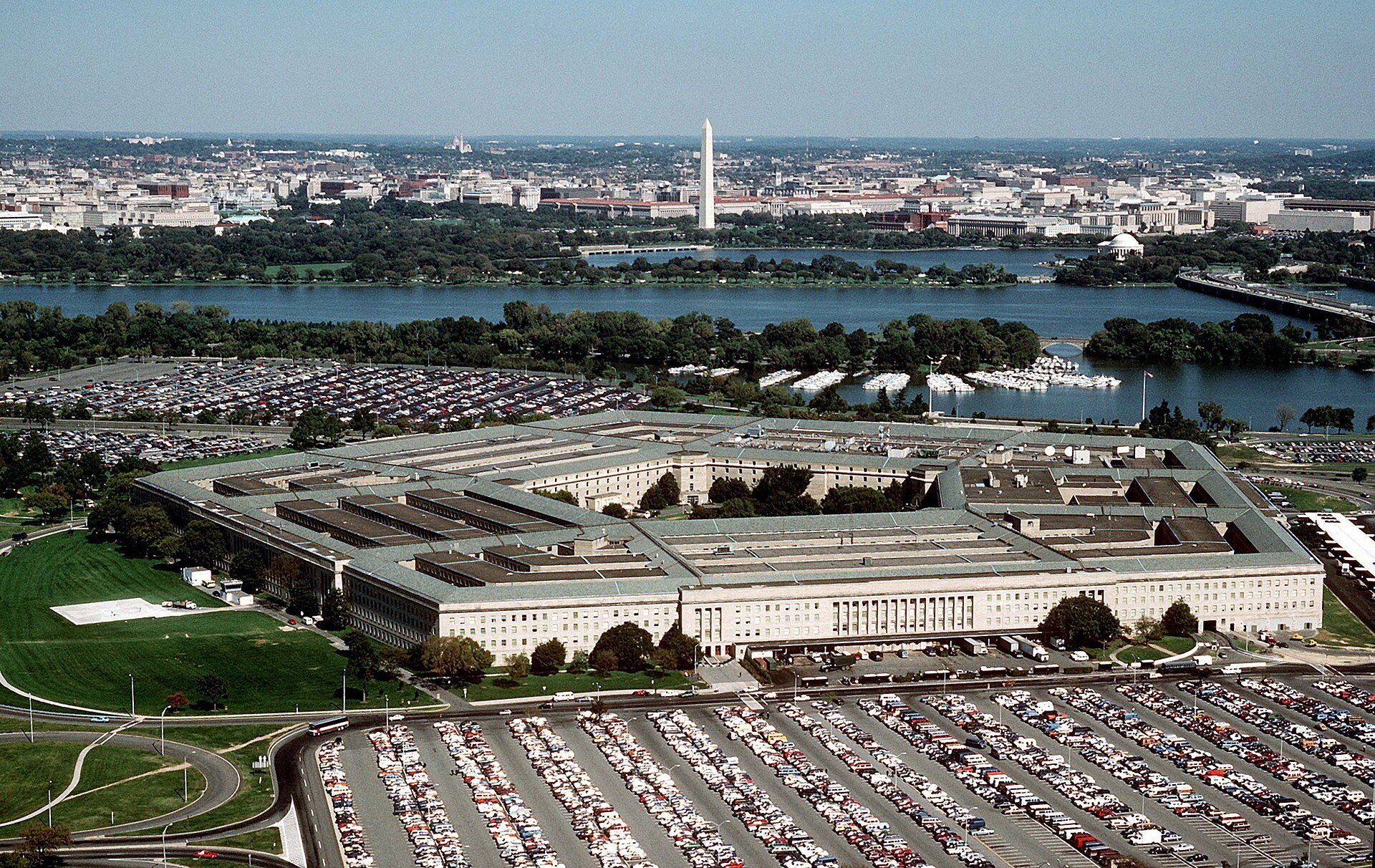
What happened: Hackers breached Cloud One, the US Air Force's flagship cloud computing platform, according to a Reuters exclusive published on 27 November 2026. Three people familiar with the matter told Reuters about the breach; five sources spoke to the news agency in total, all anonymously. The intrusion was discovered within the past month, during work to upgrade the system. The attackers exploited a software vulnerability to reach the platform's "control plane", the management layer that runs it. The specific vulnerability has not been identified, the hackers' identity is unknown, the full scope is unknown, and whether any data was stolen has not been established. Efforts to move back-office applications onto Cloud One have been paused, and updates to applications already running on it have been blocked.
The United States Air Force's flagship cloud platform has been hacked. According to a Reuters exclusive published on 27 November 2026, attackers broke into Cloud One, the system that runs scores of Air Force applications — from personnel data and pay to logistics, maintenance and the tracking of bombs and missiles.
The breach was discovered within the past month, during work to upgrade the platform. The attackers got in through a software vulnerability and reached the "control plane" — the management layer that controls the whole system. What they did once inside is still not clear, and neither is who they are.
This article explains what is known about the breach, what Cloud One is and why it matters, what has been disrupted since the discovery, and what the Air Force and its contractor have — and have not — said about it.
What Happened
The news comes from a Reuters exclusive published on 27 November 2026. Three people familiar with the matter told Reuters that hackers had breached Cloud One; five sources spoke to the news agency in total, and all of them asked not to be named. The breach was discovered within the past month, while work was under way to upgrade the system.
The attackers exploited a software vulnerability to reach the platform's control plane — the management layer through which the cloud system is run. Reaching the control plane is serious in any cloud breach, because it is the layer that manages the applications and data sitting on top of it. But the reporting is careful about what is not known: the specific vulnerability has not been identified, the identity of the hackers is unknown, and the full scope of the intrusion is unknown.
One point needs stating plainly, because it is easy to get wrong: whether any data was stolen has not been established. Reporting on the breach says sensitive tactical, personnel and logistics data could be at risk, because that is the kind of data Cloud One holds. That is a statement about what is at stake, not a claim that data was taken. Until the investigation establishes otherwise, the theft of data is a possibility, not a confirmed fact.
The discovery came at an awkward moment. The breach was found just as a new batch of serious software vulnerabilities was being disclosed across the tech industry — the kind of moment when system administrators most need to apply fixes quickly. As the next sections explain, the response to the breach has made that harder, not easier.
The Air Force has not confirmed the breach in public. Its statement, quoted in the reporting, is that it "does not comment on the security posture, vulnerabilities or operational status of specific networks and systems." That is the standard military line on cyber incidents, and it leaves the Reuters reporting — based on anonymous sources — as the public record of what happened.
What Cloud One Is
Cloud One began in 2017 as a one-stop shop for Air Force information technology. Instead of each Air Force unit running its own servers and software, Cloud One brought the service's computing into a single platform, combining the big commercial cloud providers — Microsoft, Amazon, Oracle and Alphabet, whose cloud services are Azure, Amazon Web Services, Google Cloud and Oracle Cloud Infrastructure.
The platform runs scores of applications. They include personnel data and pay — the systems that handle airmen's records and salaries — as well as logistics and maintenance, the unglamorous but essential work of keeping aircraft flying and bases supplied. It is among the biggest cloud platforms in the US military, which is why a breach of it matters far beyond a single system.
Cloud One is also the foundation for the Air Force's wider move to the cloud. Applications that used to run on the service's own servers have been migrating onto the platform for years, and the plan is for more of them to follow. That migration is now part of what has been disrupted by the breach.
The platform is run by a contractor, not by the Air Force itself. SAIC was the main contractor until 2025, when Leidos took over. Leidos announced a $454.9 million contract in March to modernise the platform, and when asked about the breach it referred questions to the Air Force. The handover from one contractor to another, and the modernisation work now under way, are part of the background to how the breach was discovered — during upgrade work on the system.
Why It Matters: Two Applications
Two applications running on Cloud One show why the platform is so sensitive. The first is Cloud-Based Command and Control, which brings together air defence radar data across North America. It is the system that helps the military see what is in the skies over the continent — a core part of homeland air defence.
The second is the Theater Integrated Combat Munitions System, which tracks bombs and missiles at more than 200 US Air Force locations worldwide. It is, in plain terms, the inventory system for the Air Force's weapons: where they are, how many there are, and whether they are ready to use.
Neither application is reported to have been compromised, and it would be wrong to claim that it was. But the fact that both run on Cloud One explains why the breach is treated as serious even though its scope is unknown. The platform does not only hold back-office records; it supports systems that bear directly on military operations.
That is also why the identity of the attackers matters so much, and why its absence from the reporting is significant. A breach by a criminal group looking for data to sell is one kind of problem. A breach by a foreign intelligence service interested in air defence radar or munitions inventories is a different kind of problem altogether. Until the investigation identifies the attackers, neither possibility can be ruled out — and neither can be confirmed.
What Has Been Disrupted
The response to the breach has disrupted the Air Force's cloud plans in several concrete ways. Efforts to migrate back-office applications onto Cloud One have been paused, which means the move to the platform has stopped while the investigation runs. Applications that were due to move will stay where they are for now.
Updates to applications already running on Cloud One have been blocked. That is the more immediate problem: staff could not apply fixes to live systems just as a new batch of serious software vulnerabilities was disclosed across the tech industry. Blocking updates is a precaution — it stops anyone using the update process to spread further — but it also leaves known weaknesses unpatched while the block is in place.
Some users have had their administrator rights revoked, another standard precaution after a breach of a control plane: if the attackers reached the management layer, the first step is to limit who can administer the system until the access is understood. And Cyber Command, the US military's cyber warfare command, has been brought in to review the platform.
Taken together, these steps describe a platform in lockdown: migration paused, updates blocked, administrator rights pulled back, and the military's cyber command called in. That is a serious response, and it tells its own story about how the Air Force views the incident — even while it declines to comment on it in public.
What Happens Next
The immediate next step is the investigation itself. Cyber Command's review will aim to answer the questions the reporting leaves open: which vulnerability was exploited, who the attackers are, how far they got, and whether any data was taken. Until those questions are answered, the public record will remain what Reuters reported: a breach of the control plane, discovered within the past month, of unknown scope.
The second question is when normal work resumes. The migration of back-office applications is paused, and updates to live applications are blocked. Both will stay that way until the Air Force is confident the platform is secure — and the longer the pause lasts, the more it delays the service's wider move to the cloud.
The third question is about the contractor. Leidos took over Cloud One in 2025 and signed a $454.9 million modernisation contract in March. The breach was discovered during upgrade work, and the modernisation programme will now be examined alongside the security of the platform itself. The company has referred questions to the Air Force, so no contractor view of the incident is on the public record.
For readers, the practical point is that this is a developing story with large gaps in it. The breach is reported, the disruption is real, and the stakes are high — but the vulnerability, the attackers, the scope and the question of stolen data are all still unknown. Check Reuters and the Air Force for the latest, and treat any claim that fills in those gaps with caution until it comes from a named, official source.
Frequently Asked Questions
What is Cloud One?
Cloud One is the US Air Force's flagship cloud computing platform, begun in 2017 as a one-stop shop for Air Force IT. It combines Microsoft, Amazon, Oracle and Alphabet cloud services (Azure, AWS, Google Cloud and Oracle Cloud Infrastructure) and runs scores of applications, including personnel data and pay, logistics and maintenance.
How were hackers able to breach Cloud One?
According to Reuters, the attackers exploited a software vulnerability to reach the platform's "control plane", the management layer that runs the system. The specific vulnerability has not been identified, and the hackers' identity is unknown.
When was the Cloud One breach discovered?
Within the past month, during work to upgrade the system. Reuters published its exclusive report on 27 November 2026, based on three people familiar with the matter (five sources spoke to Reuters in total, all anonymously).
Was any data stolen in the Cloud One breach?
That has not been established. Reporting says sensitive tactical, personnel and logistics data could be at risk, because that is the kind of data Cloud One holds — but whether any data was actually stolen is unknown, and the full scope of the intrusion is unknown.
What has been disrupted by the breach?
Efforts to migrate back-office applications to Cloud One have been paused, and updates to applications already running on it have been blocked — so staff could not apply fixes just as a new batch of serious software vulnerabilities was disclosed. Some users had administrator rights revoked, and Cyber Command has been brought in to review the platform.
What military systems run on Cloud One?
Two notable ones: Cloud-Based Command and Control, which brings together air defence radar data across North America, and the Theater Integrated Combat Munitions System, which tracks bombs and missiles at more than 200 US Air Force locations worldwide. Neither is reported to have been compromised.
What has the Air Force said about the breach?
It said it "does not comment on the security posture, vulnerabilities or operational status of specific networks and systems." The breach is reported by Reuters on the basis of anonymous sources; the Air Force has not confirmed it in public.
Who runs Cloud One?
A contractor. SAIC was the main contractor until 2025, when Leidos took over. Leidos announced a $454.9 million contract in March to modernise the platform and referred questions about the breach to the Air Force.
Related Reading
- 1Password Hacked: Vaults Safe, Customer Data Taken — 1Password was hacked, but customer vaults stayed safe.
- Nvidia Halts AI Chip Shipments to Southeast Asia — Nvidia halted AI chip shipments to Southeast Asia after new US export rules.
- US GDP Grew 4.3% in Q3 2026, Fastest in Three Years — the US economy grew 4.3% in Q3 2026, the fastest pace in three years.
Sources
- Reuters via Military Times — Hackers breach US Air Force flagship Cloud One computing platform
- Engadget — Hackers reportedly infiltrated the Air Force cloud systems
- Security Affairs — Air Force Cloud One breach: updates blocked, migration paused, scope unknown
This article was published on 28 November 2026 and covers the Reuters exclusive of 27 November 2026. The vulnerability, the attackers, the scope of the breach and whether any data was stolen are all still unknown — this article reports only what the sources establish.