 MixKhazana
Thanksgiving Storms 2026: Travel Chaos on Both Coasts
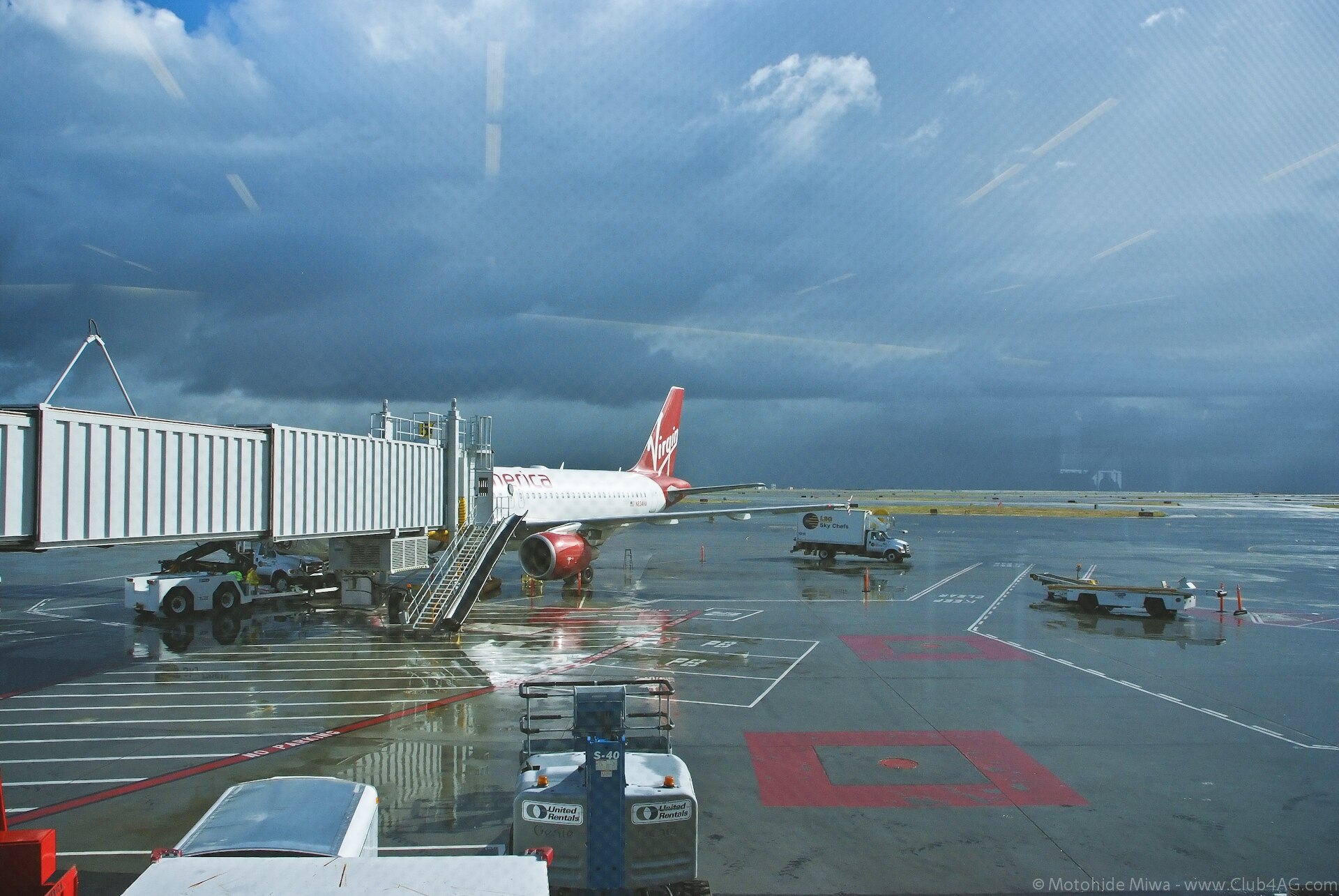
What happened: Two storm systems are converging on the busiest travel week of the year. A nor'easter is developing off the Southeast and will rake up the East Coast through Thanksgiving Day, Thursday, 26 November 2026, bringing heavy rain, gusty winds and coastal flooding from the Carolinas to New England. At the same time, an atmospheric river is hitting the West Coast, with heavy rain, mountain snow and flooding from Northern California to Washington — and in the San Francisco Bay Area the storms coincide with potentially record-breaking king tides. AAA projects 81.5 million Americans will travel at least 50 miles from home between Tuesday, 24 November, and Monday, 30 November, including 72.9 million by car and 5.96 million on domestic flights.
Thanksgiving is the biggest travel week in America, and this year the weather is doing its worst to spoil it. Storms on both coasts are forecast to hit during the very days when tens of millions of people are on the roads and in the skies — a nor'easter in the East, an atmospheric river in the West, and record tides in San Francisco Bay. Forecasters say each storm on its own has the potential to trigger major delays at the country's biggest airports, and together they put the busiest travel corridors in the country at risk.
The timing could hardly be worse. Thanksgiving Day falls on Thursday, 26 November 2026, and the busiest travel days are Tuesday and Wednesday, when most people set out. The eastern storm is forecast to reach its stride on Wednesday night and Thanksgiving Day itself, while the western storms hit hardest on Tuesday and Wednesday. For anyone travelling this week, the forecast is not a side detail — it is the story of the journey.
The East Coast Nor'easter
The East Coast storm will get its act together on Wednesday, when it forms just off the Southeast. That gives travellers a window early in the week to beat its worst impacts: forecasters say the eastern United States will be mainly dry on Monday and Tuesday, allowing a favourable travel window before the weather turns. But from Tuesday night, the picture changes fast.
Rain could begin as early as Tuesday night in South Florida, but the chances of a wet day in the Southeast and parts of the Carolinas really start to increase through Wednesday as the storm strengthens. Winds will ramp up across the region as the storm builds, and major flooding is possible in Charleston, South Carolina, during Wednesday morning's high tide, as winds drive already-swollen water levels even higher. Minor to moderate coastal flooding is also likely as far north as the Chesapeake Bay.
The storm will hit its stride on Wednesday night, bringing soaking rain and gusty winds to the Carolinas, especially along the coast, as it moves north. Driving could be dangerous in both states, with pockets of flash flooding possible, and the areas from Charleston, South Carolina, north to North Carolina's Outer Banks are most at risk. Wednesday evening will also see wet and windy conditions expand into parts of the Tennessee and Ohio valleys and even some of the Midwest.
By Thanksgiving Day itself, the storm will be moving up the coast. Drenching rain will arrive around sunrise in Washington, DC, and will not let up for much of the day. Rain should reach Philadelphia by the afternoon and New York City by late afternoon or evening. Widespread flash flooding is unlikely along the busy Interstate 95 corridor on Thanksgiving Day itself, but the rain and wind could still disrupt air travel for last-minute passengers anywhere from the Carolinas to the major hubs around New York City, and potentially as far west as Chicago.
The National Hurricane Center said on Saturday that the storm was unlikely to become a tropical or subtropical storm, so this is a nor'easter, not a hurricane. But a nor'easter does not need a tropical name to cause trouble: heavy rain, strong winds and coastal flooding are enough, especially when they arrive on the biggest travel day of the year. An earlier coastal storm had already brought heavy rain to the Northeast from Sunday night into Monday morning, with 1 to 2 inches of rain expected in New York City and wind gusts of 35 to 45 mph, possibly near 50 mph on the coast.
The West Coast Atmospheric River
On the West Coast, forecasters are monitoring a series of storms fuelled by an atmospheric river — a long, narrow band of moisture in the atmosphere that can carry as much water as a major river — that could disrupt travel before, during and after the Thanksgiving holiday. A strong Pacific storm is forecast to hit from Northern California to Washington state starting Tuesday, with rain reaching the Northwest on Monday night. The greatest impacts are expected on Tuesday and Wednesday, with a risk of flooding and mudslides.
Heavy rain, strong winds and mountain snow could cause significant delays along Interstate 5 between Seattle and San Francisco, and on mountain routes including Interstate 80. Airports in Seattle and San Francisco could see delays, and the National Weather Service office in Reno said the storms will bring fresh snow to the Sierra Nevada, with periods of difficult travel. A second, potentially windier storm could strike the same area later in the week.
Each of these storms, forecasters warn, has the potential to trigger major weather delays at major Northeast and West Coast hubs. That is the practical meaning of the forecast for air travellers: even if your own flight is not cancelled, the knock-on effects of delays at the hubs can ripple through the whole system. It is a particular worry this year because American air travel has already had a rough November — Delta Air Lines resolved an outage that caused delays nationwide on Sunday, marking the third major disruption to United States air travel in nine days.
San Francisco and the King Tides
The most dramatic situation is in the San Francisco Bay Area, where the storms coincide with potentially record-breaking king tides — the highest tides of the year. The National Weather Service has a coastal flood warning in effect for the San Francisco and San Pablo Bay shorelines until 4 p.m. PT on Thursday, and it calls Tuesday and Wednesday an "extreme" risk for flooding along the bay shoreline. A high surf warning covers Wednesday on the Pacific coast.
The danger is the combination. The storm will coincide with the king tides, potentially making flooding worse during Thanksgiving travel — and by midweek, tides could break records and threaten airports in the San Francisco Bay Area. San Francisco Mayor Daniel Lurie said on Sunday that city departments are coordinating, and he has asked residents to avoid nonessential travel from Monday afternoon, 23 November, through Wednesday, 25 November, unless it is absolutely essential. Forecasters expect tide levels the National Weather Service has never recorded in San Francisco.
Neighbouring Marin County has issued even more specific guidance: residents should avoid nonessential travel from 9 a.m. to 4 p.m. on Tuesday through Thursday, in anticipation of high tide peaking in the late morning, and officials have warned some communities they may need to evacuate during Thanksgiving week. "We strongly recommend that you do not travel during peak storm and flooding periods," said Steven Torrence, director of the Marin County Office of Emergency Management. Drivers who must travel should check road conditions, allow extra time, plan alternative routes, and never enter floodwater or go around barricades.
The warning follows a week of storm damage. Heavy rain from a Level 3 storm left much of San Francisco underwater on Wednesday, 18 November, and the city has been working through the weekend to protect residents and small businesses. The mayor urged residents to stock up on supplies and finish their shopping before the next round of storms arrives.
Florida's Flooding
Florida is still dealing with the last storm, even as the next one approaches. More than 16 inches of rain fell near Cocoa Beach over three days, according to AccuWeather, and the St. Johns River near Cocoa hit 18.6 feet on Friday, breaking a record set in 1953. Flooding along the river is expected to linger past Thanksgiving, and swollen rivers could still take weeks to recede.
The new storm brewing this week will not produce rainfall as extreme as last week's, forecasters say, but it will coincide with the highest tides of the month and produce serious coastal flooding from the Carolinas northward. The Space Coast is forecast to dodge much of this week's rain, but the rivers are already so swollen that the flooding will outlast the storm itself.
South Florida, which was hit by up to 15 inches of rain on 17–18 November, is also in the path of the new system. Rain could begin there as early as Tuesday night, and the region's drainage systems are still recovering from last week's flooding. Anyone travelling through Florida this week should check the National Weather Service before setting out.
How Many People Are Travelling
The scale of the Thanksgiving travel rush is what turns a bad forecast into a national story. AAA projects that 81.5 million Americans will travel at least 50 miles from home between Tuesday, 24 November, and Monday, 30 November, including 72.9 million by car and 5.96 million on domestic flights. That is one of the biggest Thanksgiving travel periods on record, and it means the storms will affect more people than almost any other weather event of the year.
There is also the matter of the holiday itself. The Macy's Thanksgiving Day Parade in New York City is marking its 100th parade in 2026, and millions of people watch it in person and on television. Rain is forecast for New York City on Thanksgiving Day, arriving by late afternoon or evening — which may spare the morning parade, but will soak the journey home for many spectators.
Thanksgiving dinner itself is costing more this year. A Farm Bureau survey finds that Thanksgiving dinner for ten costs about $58.63 this year, up more than 6% on last year, though still below the record set in 2022. It is a small detail against the scale of the storms, but it is part of the same picture: a holiday that costs more, in a week when the weather is making it harder to get there.
What Travellers Should Do
The advice from forecasters and officials is consistent, and it starts with timing. If you can travel early in the week, do it: Monday and Tuesday are the best window in the East, before the nor'easter forms, and the same logic applies in the West, where the worst of the atmospheric river arrives on Tuesday and Wednesday. Wednesday and Thursday are the days to avoid if you have a choice.
Check your flight before you leave for the airport, and check it again: delays at the big hubs cascade through the system, and a flight that looks fine in the morning can be delayed by the afternoon. Allow extra time for the journey to the airport, especially on the West Coast, where Interstate 5 and the mountain passes could be slow, and in the Northeast, where the rain will be heaviest on Thanksgiving Day itself.
Follow the official warnings. In the San Francisco Bay Area and Marin County, officials have asked people not to travel during peak storm and flooding periods unless it is absolutely essential — and that advice should be taken seriously, because the tides forecast for this week are higher than any the National Weather Service has recorded in San Francisco. And everywhere, the National Weather Service's rule for flood water applies: never drive through flooded roads. Turn Around, Don't Drown. Flood water hides washed-out roads and can be deeper than it looks, and it only takes a few inches of moving water to sweep a car away.
Above all, keep checking the forecast. The storm's timing and track could still change, and the National Weather Service will update its warnings as the week goes on. The best travel plan for Thanksgiving 2026 is a flexible one.
Frequently Asked Questions
Will storms affect Thanksgiving travel in 2026?
Yes. Forecasters expect a nor'easter on the East Coast and an atmospheric river on the West Coast during Thanksgiving week, with heavy rain, strong winds and coastal flooding. AAA projects 81.5 million Americans will travel at least 50 miles from home between 24 and 30 November 2026.
When is Thanksgiving Day 2026?
Thanksgiving Day 2026 falls on Thursday, 26 November 2026. The busiest travel days are Tuesday 24 and Wednesday 25 November.
What is happening in San Francisco for Thanksgiving 2026?
The San Francisco Bay Area faces record king tides — the year's highest tides — combined with heavy rain from an atmospheric river. The National Weather Service has a coastal flood warning in effect until 4 p.m. PT Thursday, with Tuesday and Wednesday rated an extreme risk for flooding along the bay shoreline.
Which areas will the East Coast storm hit?
The nor'easter forms off the Southeast on Wednesday, bringing heavy rain and coastal flooding from the Carolinas northward. Rain reaches Washington DC around sunrise on Thanksgiving Day, Philadelphia in the afternoon, and New York City by late afternoon or evening.
How many people are travelling for Thanksgiving 2026?
AAA projects 81.5 million Americans will travel at least 50 miles from home between Tuesday 24 and Monday 30 November 2026, including 72.9 million by car and 5.96 million on domestic flights.
Is it safe to drive in the Thanksgiving storms?
Driving could be dangerous in the worst-hit areas, with flash flooding possible from the Carolinas to the Outer Banks and delays on Interstate 5 and mountain routes in the West. The National Weather Service advises never driving through flooded roads — Turn Around, Don't Drown.
Will the Macy's Thanksgiving Day Parade go ahead in 2026?
The Macy's Thanksgiving Day Parade in New York City is marking its 100th parade in 2026. Rain is forecast for New York City on Thanksgiving Day, arriving by late afternoon or evening.
What should travellers do about the Thanksgiving storms?
Travel early in the week if possible — Monday and Tuesday are the best window in the East. Check flight status before leaving, allow extra time, follow National Weather Service warnings, and avoid nonessential travel during peak storm and flooding periods, as officials in San Francisco and Marin County have advised.
Related Reading
- Delta Outage: Thanksgiving Travel Delays 2026 — the outage that grounded flights nationwide on Sunday, the third major disruption to US air travel in nine days.
- South Florida Floods: Up to 15 Inches of Rain — the storm that flooded South Florida on 17–18 November, and whose rivers are still rising.
- Polar Vortex November 2026: USA Freeze — the other big US weather story this week — a freeze hitting millions.
Sources
- Fox News — Thanksgiving travel and weather forecast: storms on both coasts — the nor'easter track, the atmospheric river, the AAA travel figures and the San Francisco king tides.
- CNN — Storms to hit both coasts, threatening Thanksgiving travel for millions — the East Coast storm timing, the Charleston flooding risk, and the Thanksgiving Day rain arrival times.
- Political.org — Storms on both coasts threaten Thanksgiving travel — Mayor Lurie's travel advice and the Marin County guidance for Thanksgiving week.
This article was published on 24 November 2026. Weather forecasts change quickly — check the National Weather Service for the latest warnings before travelling.