 MixKhazana
Magnitude 5.0 Earthquake Rattles Los Angeles
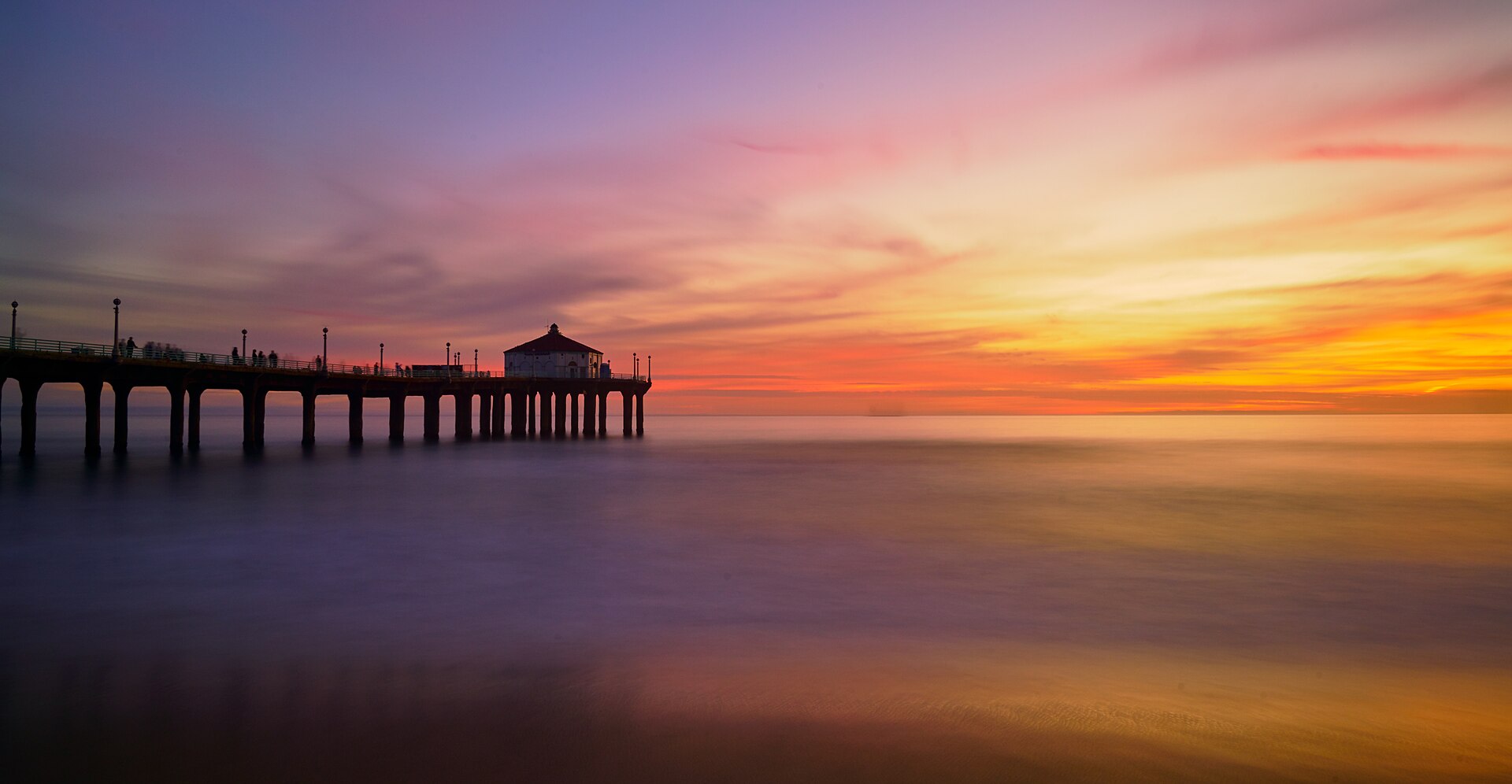
What happened: A magnitude 5.0 earthquake struck about 3 to 4 miles off the coast of Manhattan Beach, California, at 9:30 a.m. Pacific time on Saturday 28 November 2026, shaking Los Angeles and much of Southern California. The US Geological Survey first reported 5.2, revised it to 4.7, then settled on 5.0 after review. A magnitude 4.5 aftershock (first reported as 4.6) followed at 11:41 a.m. There were no immediate reports of injuries or major damage, and no tsunami threat.
A magnitude 5.0 earthquake struck off the coast of Manhattan Beach, California, on the morning of Saturday 28 November 2026, shaking Los Angeles and much of Southern California — and it was followed hours later by a strong aftershock. The United States Geological Survey (USGS) first reported the quake at magnitude 5.2, then revised it down to 4.7, before settling on 5.0 after a fuller review of the data.
The quake hit at 9:30 a.m. Pacific time, about 3 to 4 miles offshore, west-southwest of Manhattan Beach, at a depth of about 7 to 8 miles. It was felt as far away as San Diego to the south and Santa Barbara to the north. The aftershock, first reported as magnitude 4.6 and later revised to 4.5, struck at 11:41 a.m. — and smaller aftershocks kept coming through the day.
There were no immediate reports of injuries or major damage, and no tsunami threat. The Los Angeles Fire Department went into earthquake mode, checking the city from its 106 neighbourhood fire stations, and reported no significant damage or injuries in the City of Los Angeles. This article explains what happened, how far the shaking was felt, what damage was found, and what seismologists say about what may come next.
The Earthquake
The main quake struck at 9:30 a.m. Pacific time on Saturday 28 November 2026. Its epicentre was offshore, about 3 to 4 miles west-southwest of Manhattan Beach, a beach city in Los Angeles County, at a depth of about 7 to 8 miles. A shallow offshore quake of this size is felt widely along the coast, and this one was.
The magnitude figure changed several times during the day, which is normal after a significant earthquake. The USGS first reported the quake at magnitude 5.2, then revised it down to 4.7, and then settled on 5.0 after reviewing more data from its network of seismometers. The 5.0 figure is the reviewed magnitude, and it is the one used in this article.
The aftershock followed at 11:41 a.m., just over two hours after the main quake. It was first reported as magnitude 4.6 and later revised to 4.5. Aftershocks are smaller earthquakes that follow the main shock as the ground settles, and they are expected after any quake of this size — the question is always how many there will be, and how strong the largest one will be.
There was no tsunami threat from either quake. The USGS issued a green PAGER alert for the earthquake — the lowest level in its system, meaning little or no damage was expected. That early assessment turned out to match what the fire department found on the ground: shaking, startled residents, and very little damage.
How Far the Shaking Was Felt
The shaking was felt across a wide stretch of Southern California. Reports came in from as far south as San Diego and as far north as Santa Barbara, a span of more than 200 miles of coastline. In Los Angeles itself, the shaking was strong enough to wake people, rattle windows and send residents checking their homes for damage.
The Los Angeles Fire Department responded in its standard earthquake mode, deploying from all 106 of its neighbourhood fire stations to survey the city for damage and injuries. It is a routine that the department practices for exactly this kind of event: every station checks its own area, and the results are reported back so the department can build a picture of the whole city quickly.
The result of that survey was reassuring. The fire department reported no significant damage or injuries in the City of Los Angeles. That does not mean nobody felt the quake or that nothing fell off a shelf — it means that, in the city itself, the earthquake caused no structural damage and no injuries serious enough to be reported.
Los Angeles Mayor Karen Bass posted that there were no reports of major damage and that the fire department was assessing impacts across the city. The City of Manhattan Beach, closest to the epicentre, urged its residents to be prepared for aftershocks — a reminder that the shaking on Saturday morning might not be the last of it.
Damage and Disruption
The most visible damage reported was at Los Angeles International Airport, where ceiling tiles fell inside a terminal. It was the kind of damage a magnitude 5.0 quake causes in a large building: fittings shaken loose, rather than anything structural. No injuries were reported at the airport.
The other incident that drew attention was at the Chevron refinery in El Segundo, near the coast south of the airport, where flaring was seen after the shaking. Videos of the flames spread quickly online, and some posts suggested the refinery had exploded. Officials said it was flaring — the controlled burning off of gas — and not an explosion. The distinction matters: flaring is a safety procedure that refineries use to release pressure, and it is not the same as an uncontrolled fire.
Beyond those two incidents, there were no reports of major damage anywhere in the region, and no reports of injuries or deaths. That is the most important fact about this earthquake: a magnitude 5.0 quake under a densely populated coastline caused a fright, some fallen ceiling tiles and a flaring refinery — and, as far as anyone could tell on the day, nothing worse.
It is worth remembering, though, that early reports after an earthquake are always incomplete. Damage can take time to show up, especially in buildings that are not inspected until later. The figures in this article are the reports available on 28 November, and they may be updated as the fire department and the city complete their assessments.
What Seismologists Say
Seismologist Lucy Jones, one of the best-known earthquake scientists in California, said the quake may be connected to the Palos Verdes fault zone, which runs offshore along the coast near Manhattan Beach. That is her assessment, not a confirmed fact — the USGS has not said the quake was on that fault, and the exact fault involved has not been established.
The Palos Verdes fault zone is one of several fault systems in the Los Angeles basin, and it has produced earthquakes before. If the Manhattan Beach quake was on that fault, it would fit a known pattern of offshore activity along the coast. But a single quake, even a magnitude 5.0, is not enough to prove which fault slipped, and seismologists will need more data before they can say for certain.
The USGS also gave a number for what comes next: it estimates a 30% chance of another aftershock of magnitude 4.0 or greater. That is a significant chance — roughly one in three — and it is the reason the City of Manhattan Beach urged residents to be prepared for aftershocks. A magnitude 4.0 aftershock would be felt widely, though it would be much weaker than the main quake.
Smaller aftershocks were already being recorded through the day, including magnitudes 3.0, 2.5, 3.5, 3.7 and 3.8. That sequence is typical: a main shock, a strong aftershock, and then a trail of smaller ones that gradually fade. The magnitudes quoted here are the USGS reviewed figures, and the aftershock count may be revised as the USGS completes its review.
What Happens Next
The immediate task for the authorities is to finish checking for damage. The fire department has completed its first sweep of the City of Los Angeles, and the city will continue to assess buildings and infrastructure in the days ahead. If any damage turns up that was not visible on the first day, it will be reported then.
For residents, the advice from the City of Manhattan Beach was simple: be prepared for aftershocks. That means knowing what to do if the ground shakes again, and checking homes for damage — cracked walls, broken glass, gas smells — before settling back in. No tsunami threat was issued, and none is expected from aftershocks of this size.
The USGS will continue to monitor the aftershock sequence and revise its figures as more data comes in. The 30% chance of a magnitude 4.0 or greater aftershock is an estimate based on the pattern of aftershocks so far, and it will be updated as the sequence develops. If a strong aftershock does happen, it will be reported in the same way as the main quake.
For now, the story of this earthquake is a reassuring one. A magnitude 5.0 quake off a crowded coastline, felt from San Diego to Santa Barbara, caused no injuries, no major damage and no tsunami. That is not luck alone — it is also the result of buildings, emergency services and a public that are prepared for earthquakes. This article will be updated if the USGS revises its figures or if further damage is reported.
Frequently Asked Questions
How big was the California earthquake?
Magnitude 5.0, according to the USGS reviewed figure. The USGS first reported 5.2, then revised it to 4.7, and then settled on 5.0 after a fuller review of the data.
When and where did the earthquake strike?
At 9:30 a.m. Pacific time on Saturday 28 November 2026, about 3 to 4 miles off the coast of Manhattan Beach, California, at a depth of about 7 to 8 miles.
Was there an aftershock?
Yes. A magnitude 4.5 aftershock (first reported as 4.6) struck at 11:41 a.m., followed by smaller aftershocks including magnitudes 3.0, 2.5, 3.5, 3.7 and 3.8.
Was anyone hurt in the earthquake?
There were no immediate reports of injuries or major damage. The Los Angeles Fire Department, deploying from 106 neighbourhood fire stations, reported no significant damage or injuries in the City of Los Angeles.
Was there a tsunami threat?
No. No tsunami threat was issued for the earthquake or its aftershocks, and the USGS issued a green PAGER alert — its lowest level, meaning little or no damage was expected.
What happened at Los Angeles International Airport?
Ceiling tiles fell inside a terminal at LAX during the shaking. No injuries were reported at the airport.
Did the Chevron refinery in El Segundo explode?
No. Officials said the flames seen at the refinery were flaring — the controlled burning off of gas — and not an explosion, despite videos circulating online that suggested otherwise.
Could there be another strong aftershock?
The USGS estimates a 30% chance of another aftershock of magnitude 4.0 or greater. The City of Manhattan Beach urged residents to be prepared for aftershocks.
What caused the earthquake?
Seismologist Lucy Jones said the quake may be connected to the Palos Verdes fault zone, which runs offshore near Manhattan Beach. That is her assessment, not a confirmed fact — the exact fault has not been established.
Related Reading
- Two Earthquakes Shake California in One Night — earlier earthquakes around Los Angeles this year.
- South Florida Floods: Up to 15 Inches of Rain — floods in South Florida this November.
- Polar Vortex November 2026: What It Means — the polar vortex bringing cold weather across the USA.
Sources
- AP via WVLT — 5.0 magnitude earthquake hits off coast near Los Angeles, followed by multiple aftershocks
- Fox Weather — Earthquakes shake Los Angeles, no tsunami danger
- The Weather Company — Back-to-back earthquakes rattle Los Angeles
Published 29 November 2026; covers the 28 November 2026 quake. Magnitudes are the USGS reviewed figures, and aftershock counts may be revised as the USGS completes its review.